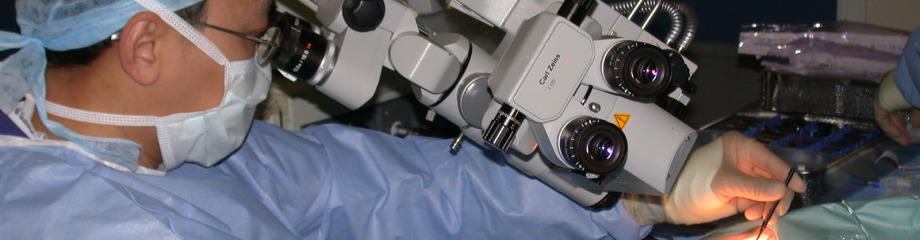
Selective Laser Trabeculoplasty (SLT)
SLT is a laser treatment targeting the pigment-containing cells within the trabecular meshwork, the area where aqueous drains away from the eyes. The laser uses a special wavelength that stimulates only the melanin-containing cells in the trabecular meshwork and causes changes that can increase the meshwork's outflow capacity, thereby reducing eye pressure.
Commonly asked questions:
What is Selective Laser Trabeculoplasty (SLT)?
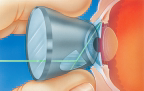
Selective Laser Trabeculoplasty, or SLT, is a laser treatment used to lower the pressure inside the eye in people with glaucoma or ocular hypertension. It is a quick outpatient procedure and does not involve any cuts or surgery.
How does SLT work?
Fluid is constantly produced inside the eye and normally drains through a natural drainage system called the trabecular meshwork. In glaucoma, this drainage may not work efficiently, causing the pressure inside the eye to rise.
During SLT, gentle pulses of laser energy are applied to the trabecular meshwork. This stimulates the eye's natural drainage system to work more effectively, allowing fluid to leave the eye more easily and lowering the eye pressure.
Why might SLT be recommended?
SLT may be offered as an alternative to starting glaucoma eye drops, or it may be used alongside your existing drops when further reduction in eye pressure is required.
For some patients, successful SLT can reduce the number of glaucoma drops they need. However, SLT does not cure glaucoma and regular monitoring is still required.
What happens during the treatment?
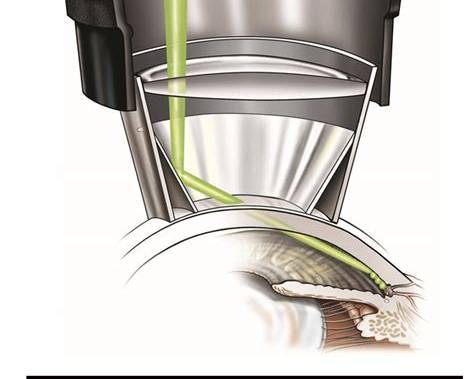
SLT is performed in the outpatient clinic. Anaesthetic drops are used to numb the eye and a special contact lens is gently placed on the surface of the eye. The laser is then applied to the drainage area.
The treatment itself usually takes around 5–10 minutes. You may see some bright flashes of light but the procedure is generally well tolerated.
How effective is SLT?
SLT successfully lowers eye pressure in approximately 70–80% of suitable patients. The amount of pressure reduction varies between individuals and it may take several weeks for the full effect to develop.
The effect can last for several years but may gradually wear off. If this happens, SLT can sometimes be repeated.
What are the risks and side effects?
SLT has a good safety profile. You may experience mild discomfort, redness, light sensitivity or blurred vision for a short period afterwards.
Occasionally, the pressure inside the eye can temporarily increase or inflammation can occur. Significant or persistent complications are uncommon. Your ophthalmologist will discuss any particular risks relevant to your eyes before treatment.
What should I do after SLT?
You can usually return to normal activities soon after treatment, although your vision may be slightly blurred for several hours. You should continue your usual glaucoma drops unless your ophthalmologist advises you otherwise.
Your eye pressure will be checked following treatment to assess how well the SLT has worked.
Will I still need glaucoma treatment afterwards?
Possibly. SLT is intended to control eye pressure and reduce the risk of further glaucoma damage, but it cannot restore vision that has already been lost.
Some patients can reduce or avoid glaucoma drops following successful SLT, while others will continue to require drops or may eventually need further laser or surgery.
Regular glaucoma follow-up remains important even when SLT has successfully lowered your eye pressure.
If you experience severe eye pain, a significant deterioration in vision or increasing redness following treatment, you should seek urgent ophthalmic advice.
How to contact us
NHS:
Birmingham and Midland Eye Centre
Sandwell and West Birmingham Hospitals NHS Trust
City Hospital, Dudley Road
Birmingham B18 7QH
Phone
0121 5076855
Private:
Aqueous One
Aston Cross Business Village
Rocky Lane, Birmingham B6 5RQ
Phone: 0121 2705048
Consultation time:
Tuesday, 9:00 am to 5:00 pm
Stourside Hospital
60 Bradley Road, Stourbridge DY8 1UX
Phone: 01384 560123
Consultation time:
Wednesday 5:00 pm to 8:00 pm
Priory Hospital
Priory Road, Edgbaston, Birmingham B5 7UG
Phone: 0121 4461636
Consultation time:
Saturday 8:30 am - 12:00 pm


 Print
Print 